

Election crisis halts vote in Guinea-Bissau
Armed raids destroyed results data and stopped officials from completing the presidential tally
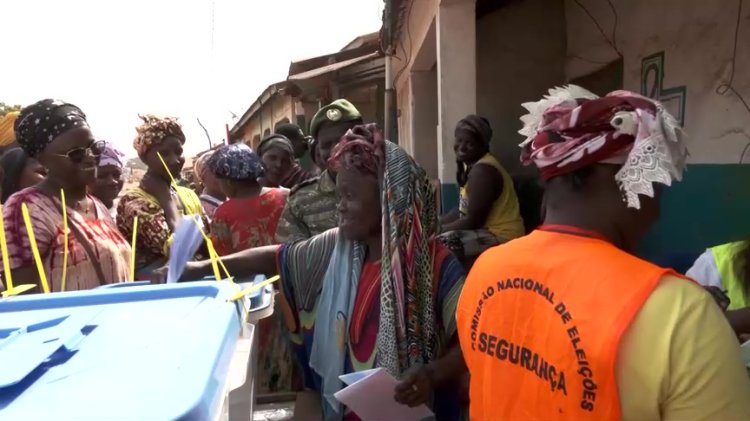
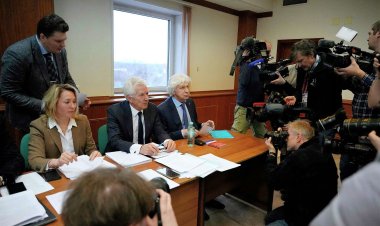
Guinea-Bissau’s electoral commission says it cannot complete the November 23 presidential vote after armed men seized ballots, tally sheets and staff computers from its offices and destroyed servers holding results, making regional aggregation and provisional results impossible. The commission told a visiting delegation from the Economic Community of West African States (ECOWAS) that unidentified hooded assailants ransacked its premises during the arrest of staff on November 26, confiscating computers belonging to all 45 personnel present and seizing tally documents from across the country.
The disruption came amid an army takeover on November 26, when officers seized power and several government buildings were attacked. Major-General Horta Inta-a was sworn in as transitional president on November 27 and has imposed restrictions including bans on demonstrations and strikes, while pledging a one-year transition and appointing a 28-member cabinet largely aligned with the deposed leadership. The coup followed a tightly contested presidential election in which main contenders — incumbent Umaro Sissoco Embaló and opposition candidate Fernando Dias da Costa — both claimed victory before official results could be announced; Embaló says he was deposed and later fled to Brazzaville.
ECOWAS has pressed the military to restore constitutional order and to permit the electoral process to resume. A high-level ECOWAS delegation led by Sierra Leone’s President Julius Maada Bio met military and electoral officials in Bissau to demand a full restoration of constitutional rule; the regional bloc has threatened sanctions and will discuss the crisis at a summit on December 14. Nigeria said it authorised protection for candidate Dias da Costa amid reported threats to his safety.
The political breakdown deepens long-standing instability in the tiny West African state, which has seen repeated coups since independence in 1974 and where only one president has ever completed a full term. Chronic weak governance and factional violence have also turned the country into a transit hub for Latin American-to-Europe cocaine trafficking, a dynamic cited by the new military leadership as partly motivating the takeover. Inta-a asserted the coup was needed to stop a purported plot by “narco‑traffickers” to capture the country’s democracy.