French farmers block roads over cattle disease
Protests flare as culls and compensation fuel anger
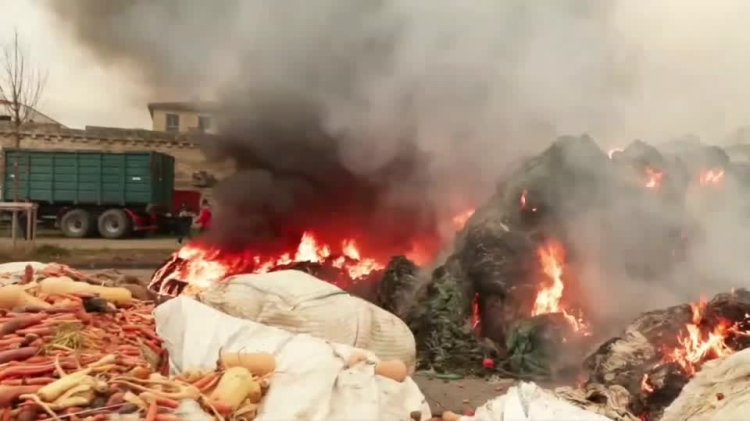
Farmers in southwestern France continued to block highways as unions met with Prime Minister Sébastien Lecornu over an outbreak of lumpy skin disease in cattle that has provoked a new wave of protests across southern agricultural regions. In Avignon, demonstrators set fire to hay bales, pallets and tyres, dumped produce such as apples and carrots along barricades and used tractors to obstruct key roads, sending thick smoke into the air and briefly disrupting traffic. Police contained the demonstrations; firefighters stood by and no serious injuries were reported.
The viral disease has forced authorities to order whole-herd culls where outbreaks are detected—about 3,000 cattle have been slaughtered since June—prompting farmers’ anger that the measure is excessive and destroys livelihoods. Unions say healthy animals are sometimes culled alongside infected ones, compensation is slow or inadequate, and the policy compounds long-standing grievances over foreign competition, rising costs, volatile markets and tighter environmental regulation. Protest leaders warned demonstrations would continue until the government revised its approach, guaranteed faster and fairer compensation and increased consultation with agricultural unions.
The government says culling is necessary to halt spread in France, which has the EU’s largest cattle herd, and has moved to accelerate vaccination. Paris procured an additional 400,000 vaccine doses from the Netherlands to add to an existing stock of 500,000; an A400M military transport delivered the supplies to Toulouse and the armed forces have been deployed to help vaccinate some 750,000 cows. Several dozens military veterinary doctors are being drafted to assist vaccination efforts in southern and remote areas such as Ariège, where civilian vets are scarce. Authorities aim to complete the vaccination program within a month.
On the diplomatic front, President Emmanuel Macron reiterated he will not back an EU trade deal with the Mercosur bloc unless stronger safeguards for European farmers are secured. The government maintains compensation mechanisms are in place and negotiations with unions are ongoing, but officials acknowledged frustration over delays and communication failures. Aid workers, local officials and union leaders warned that without changes to policy and faster support for affected producers, protests could intensify and spread to major transport hubs, heightening disruption to rural communities and supply chains.