


Takaichi becomes Japan’s first female PM
Nationalist leader vows stronger economy and defense
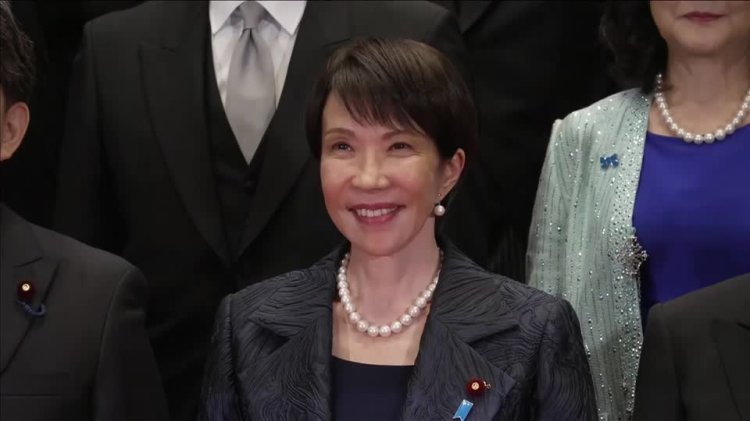
Hardline conservative Sanae Takaichi was elected by parliamentary vote as Japan’s first female prime minister and immediately set out an agenda centered on strengthening the economy and national security. At her first press conference she promised to build a “strong Japan,” pledging aggressive fiscal and monetary measures to revive growth and extend the stimulus approach associated with former leaders. She said she would deepen ties with the United States and make defence and security central pillars of her administration.
Takaichi, a long-serving LDP figure who has held cabinet posts including internal affairs and economic security, is known for nationalist positions: frequent visits to the contested Yasukuni war shrine and calls to revise Japan’s postwar pacifist constitution to explicitly recognize its military. She admires Margaret Thatcher and is widely seen as an acolyte of Shinzo Abe’s economic and security stance.
Her appointment follows a recent LDP leadership contest and the party’s move into a coalition with the right-leaning Japan Innovation Party; together they remain just short of a lower-house majority. That parliamentary fragility, plus the LDP’s loss of its long-standing moderate coalition partner, leaves her government facing an uphill task passing key legislation and securing a stable governing majority.
Immediate policy priorities cited by analysts and observers include forming a workable coalition, advancing an economic stimulus package while managing Japan’s large public debt, and strengthening defence cooperation with key partners in the Indo-Pacific. Domestically, she must confront sluggish growth, inflationary pressures, weak wage growth, rising non-permanent employment, and demographic decline. Regionally, her nationalist rhetoric and shrine visits risk heightening tensions with China and South Korea.
Takaichi’s elevation is historic but complex: while breaking a gender barrier, she has opposed some measures favored by gender-rights advocates, prompting questions about how her tenure will affect gender equality. Her success will hinge on repairing rifts within the LDP, winning support from other parties to secure legislative majorities, delivering economic relief to households, and managing delicate regional diplomacy amid a turn toward a more hawkish security posture.