


UK inflation drops to eight-month low
November fall boosts expectations of rate cut
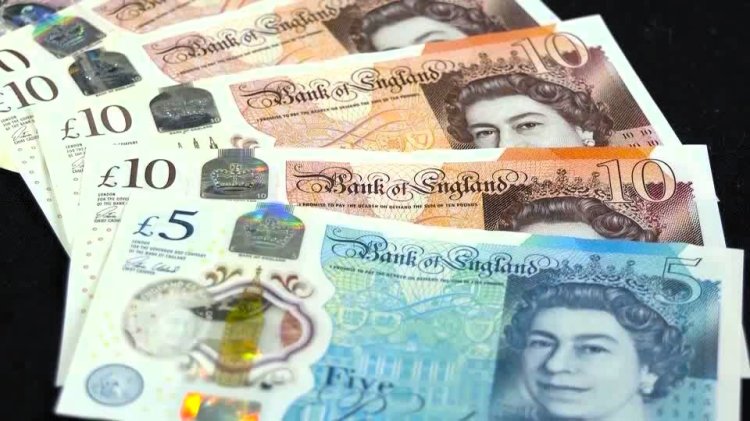
UK consumer price inflation unexpectedly fell to 3.2% in November from 3.6% in October, official figures showed, marking the lowest rate since March and reinforcing market expectations of an imminent Bank of England rate cut. The outturn undershot a poll median of 3.5% and the BoE’s internal projection of 3.4%. Sterling slipped about half a cent against the dollar after the release as traders priced in better than 90% odds of a 25 basis-point cut, likely to 3.75%.
Key components showed broader easing: services inflation—closely watched by the BoE as an indicator of persistent price pressures—fell to 4.4% rather than holding at 4.5% as anticipated. Food and non-alcoholic beverage inflation dropped to 4.2% from 4.9% in October, though the BoE expects food inflation to rise to around 5.3% in December. Core CPI, which excludes volatile food, alcohol, energy and tobacco, also slowed to 3.2%, below economist forecasts of 3.4%.
The data follow a period of aggressive monetary tightening that brought inflation down from the double-digit peaks of 2022, yet headline inflation remains above the BoE’s 2% target. Last month the Monetary Policy Committee voted 5–4 to keep rates on hold, breaking the quarterly cadence of cuts established in 2024; markets and many economists expect a similarly close decision in the upcoming meeting, with a likely 5–4 vote in favour of easing. Governor Andrew Bailey—among November’s dissenters—indicated he would want to see further falls in price pressures before supporting a cut, making his potential vote pivotal.
Analysts said the November reading strengthens arguments for loosening policy but cautioned that persistent services inflation and housing-related costs, driven by tight labour markets and wage growth, leave the BoE’s stance finely balanced. While energy’s role in inflation has receded compared with previous years, underlying pressures keep the central bank cautious about moving too quickly to reduce borrowing costs.
The timing of lower inflation is politically significant ahead of a general election, with ministers citing improving price growth as evidence of easing cost-of-living pressures. Policymakers nonetheless face a delicate trade-off: avoid premature easing that could reignite inflation versus sustaining restrictive rates that could weigh on growth and households still facing higher mortgage costs. The November figures indicate progress but are unlikely by themselves to determine a clear, longer-term shift in policy without further sustained declines in underlying inflation.