

U.S. shutdown grinds on amid deep divide
Treasury warns $15 billion daily hit as data gaps and furloughs widen
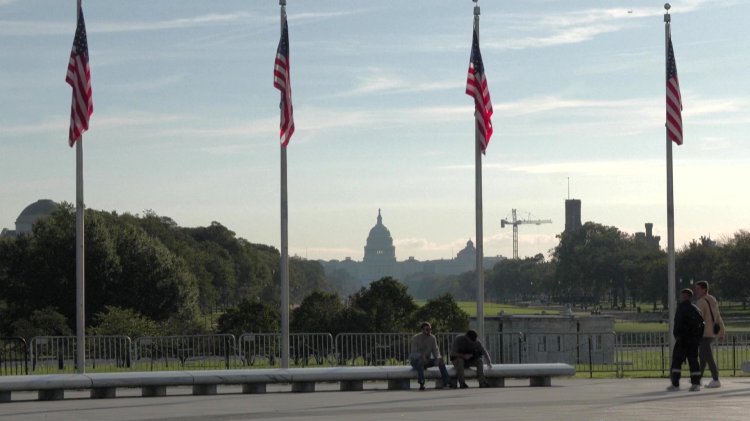
The U.S. government shutdown entered a protracted stalemate as lawmakers on both sides signalled readiness for a lengthy impasse. Treasury Secretary Scott Bessent warned the stoppage is inflicting severe economic harm, saying it may be costing the U.S. economy as much as $15 billion a day and arguing the closure is slowing an investment boom, including in artificial intelligence. His remarks coincided with meetings of global financial and economic leaders in Washington.
Key federal data releases have been disrupted, complicating economic decision-making for international partners; a Japanese policymaker said the resulting “data‑blind” situation undermines the Fed’s data‑dependent policy guidance. The Senate failed to pass a House-approved bill to fund the government through November 21, with Democrats withholding votes to press for healthcare fixes. The White House signalled further cuts, with the president saying his administration would publish a list of programs to close permanently because of the shutdown.
Operational impacts have been widespread: thousands of federal employees have faced furloughs or layoff notices, agencies have scaled back regulatory approvals and grant disbursements, and businesses report delayed contracts and projects. Economists warn even a short shutdown can reverberate through hiring, investment and supply chains, turning weekly losses into a larger drag on GDP if the stalemate persists.
Legal developments added pressure: a federal judge in California ordered the administration to halt mass layoffs while considering unions’ claims that the job cuts are unlawful. Political responses have been polarized—Democrats framing their resistance as protecting public services and healthcare, Republicans stressing fiscal priorities—leaving negotiations deadlocked.
Bessent also noted modest fiscal improvements, saying the fiscal 2025 deficit narrowed and suggesting the deficit‑to‑GDP ratio could fall toward roughly 3% if growth and restraint continue, but warned a prolonged shutdown risks worsening the fiscal outlook by slowing growth and raising borrowing costs. Markets and investors are monitoring the situation for signs of broader economic fallout.
The ultimate cost will hinge on duration: a swift resolution would likely confine damage to a short‑term GDP hit and hardship for furloughed workers; a prolonged closure could produce deeper, persistent declines in growth, hiring and investment. Lawmakers face mounting public and economic pressure to resolve the funding impasse and restore government operations.