Fuel crisis paralyzes Bolivia ahead of vote
Shortages halt transport and construction as tensions mount
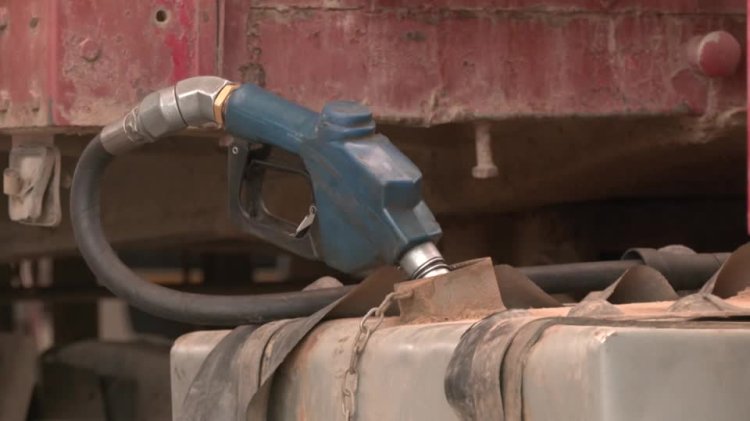
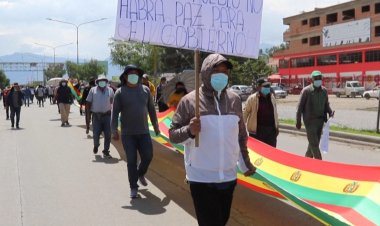
Bolivia faces a crippling fuel shortage that has stalled transportation, construction and agriculture, sparked protests and roadblocks, and is complicating preparations for the country’s presidential runoff. Long queues at service stations have formed in major cities, with drivers sometimes waiting days to refuel. Drone footage showed extensive lines in El Alto; transport unions in Cochabamba have staged marches and blockades; and public transport in Santa Cruz is operating at roughly 60% capacity.
Around 600 tankers reportedly awaited authorization for days at the Palmasola refinery in Santa Cruz, holding an estimated 20 million liters—enough for six to eight days of national supply—while state oil firm YPFB attributed unloading delays to outstanding payments to suppliers. Industry leaders warn of severe and growing damage: the Eastern Transport Chamber likened the situation to a body in “intensive care,” and the Cochabamba Chamber of Construction said projects are stalled amid shortages, lack of foreign currency and rising prices. The Eastern Agricultural Chamber described conditions as “unsustainable,” warning agriculture risked passing a “point of no return.”
The crisis has intensified political tensions ahead of the runoff between right‑wing former president Jorge Tuto Quiroga and center‑right former mayor Rodrigo Paz, which will mark a shift after two decades of leftist rule. Officials say fuel scarcities and depleted dollar reserves—partly driven by costly fuel subsidies—have contributed to Bolivia’s worst economic performance in nearly 40 years, with acute shortages of fuel and hard currency and annual inflation above 23 percent eroding support for the outgoing Socialist government.
Electoral authorities say the shortages are already disrupting election logistics: without electronic voting, paper ballots must be hand‑delivered to thousands of polling stations, and delays in fuel supply threaten timely distribution of materials and the ability of election commissions to deploy on schedule. Authorities and sectors across the economy warn that, unless a permanent resupply plan and payment solutions are implemented, the shortages will deepen economic disruption and further strain public order and institutional capacity.