

U.S. weighs airborne deployment to region
82nd Airborne move aims to boost readiness amid tensions
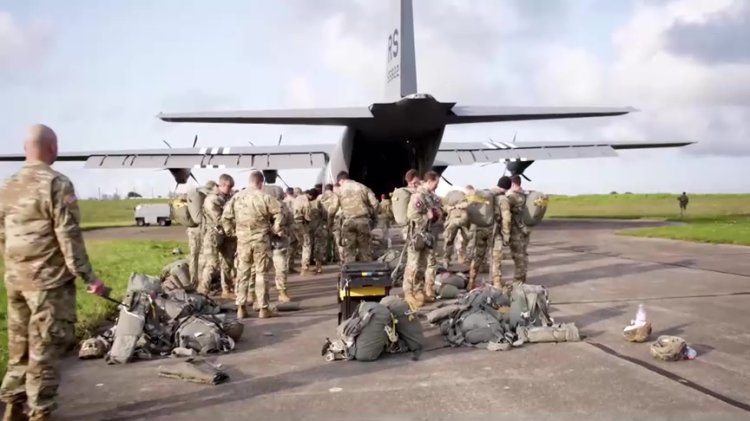
U.S. officials say thousands of soldiers from the Army’s 82nd Airborne Division are expected to deploy to the Middle East as part of a broader military buildup amid escalating regional tensions. The move, first reported earlier this month, would boost rapid-response capacity in the region and expand options for contingency operations, though officials did not specify exact destinations or arrival dates. Sources cautioned that no decision has been made to send forces into Iran itself; the deployments are intended to increase readiness and capacity for potential future operations.
Troops under consideration are based at Fort Bragg, North Carolina. Pentagon inquiries were referred to the White House, which did not immediately comment. Defense officials have raised force-readiness levels and positioned units on standby as concerns grow over possible attacks on U.S. bases, personnel and interests across the region. Officials characterized the expected deployments as primarily defensive—meant to protect personnel and assets and to reassure regional partners—while diplomatic efforts continue.
Military analysts note the 82nd Airborne’s rapid-deployment role makes it a frequent choice for crisis response, and its mobilization signals a precautionary posture aimed at deterrence. Planners say the additional forces would support contingency missions, augment allied defenses and preserve options for commanders if the situation deteriorates. Preparations reportedly include logistical staging and coordination with regional partners, though details on force size and specific missions remain unspecified.
Observers warn that while increased U.S. troop presence could deter immediate threats and stabilize key points, it also risks raising the stakes and complicating diplomatic channels. The potential deployment occurs against the backdrop of ongoing conflict that has already unsettled global markets and heightened concerns about broader confrontation. U.S. officials continue to monitor the situation closely, seeking to balance military preparedness with efforts to de-escalate through diplomacy.