Denmark votes in closely watched election
Frederiksen seeks third term amid domestic pressures
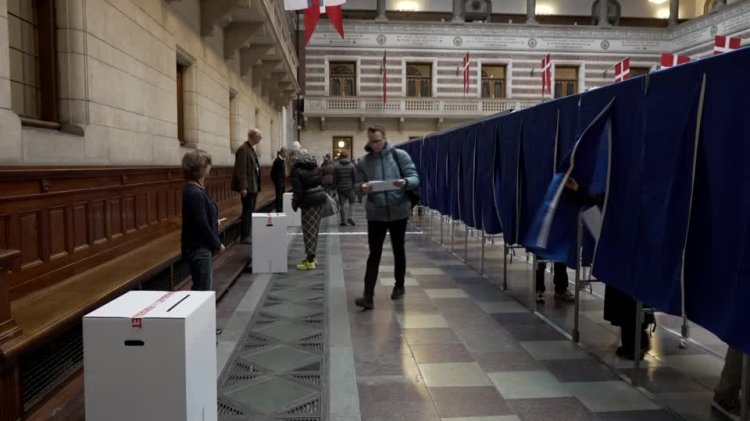
Danes voted in a general election that could hand Prime Minister Mette Frederiksen a third term amid competing domestic pressures and unusual international attention. Opinion polls suggested Frederiksen’s Social Democrats were on track for their weakest showing since before World War Two, as many voters faulted the government over rising cost-of-living concerns and perceived erosion of the Nordic welfare model after nearly seven years in power. Outside Copenhagen’s City Hall, voters said everyday issues — from the environment and immigration to healthcare and taxation — dominated their choices, and most said Greenland played little role in their decision.
Despite its limited local salience, Greenland and Arctic sovereignty took on outsized prominence in media coverage after former U.S. President Donald Trump’s public remarks about acquiring the territory rekindled debate over Denmark’s strategic position in the Arctic. Parties traded messages on sovereignty, defense and the implications of Arctic resources, with some politicians treating the U.S. comments as irrelevant and others using them to stress the need for robust strategic planning.
Turnout appeared shaped by generational divides: younger voters prioritized climate and foreign-policy questions, while older voters focused on economic stability and welfare. Voting proceeded smoothly at polling stations nationwide, with officials reporting routine precautions and accessibility measures; international observers were invited to monitor transparency. Polls opened in the morning and closed in the evening, with exit surveys and initial counts expected shortly after.
Analysts warned that while Trump’s remarks were unlikely to directly determine policy, they had raised public awareness of Denmark’s geopolitical importance and added an international dimension to the campaign. The election outcome will influence Denmark’s domestic agenda — including taxation, infrastructure and social services — as well as its foreign-policy posture on NATO obligations, Arctic governance and trade. Preliminary results were expected to indicate which parties could form the next coalition, shaping legislative priorities on climate initiatives and Arctic strategy in the coming years.