BNP wins Bangladesh election
Vote follows Hasina ouster after protests
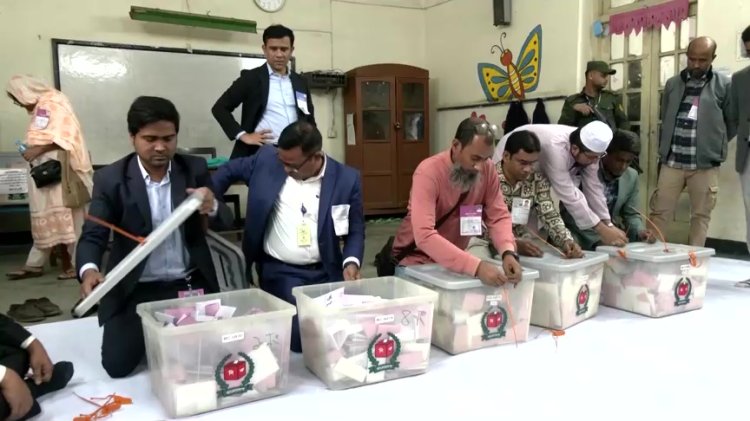
Millions of Bangladeshis turned out to vote in a parliamentary election that followed last year’s mass protests which forced out long-serving premier Sheikh Hasina. The contest, the first global election sparked by a Gen Z‑led uprising, saw two major coalitions compete, with the Bangladesh Nationalist Party (BNP) emerging as the clear victor. Early counts gave the BNP a decisive majority in the 300‑seat Jatiya Sangsad, with televised tallies showing the party winning around 185 seats and comfortably passing the simple‑majority threshold. The Islamist Jamaat‑e‑Islami — once a BNP ally — won roughly 56 seats, and its leader conceded defeat.
Voters described a freer, more festive atmosphere at polling stations than in previous elections, with long lines of first‑time and young voters among nearly 128 million registered electors; roughly half the electorate is aged 18–35 and 49% are women, though relatively few women stood as candidates. Analysts said a clear result was essential to restore steady governance after months of unrest that disrupted key industries, notably the country’s large garment export sector.
BNP leaders framed the outcome as a mandate for change, promising economic reforms, job creation and strengthened democratic institutions. Celebrations followed in Dhaka and other cities as supporters gathered outside party headquarters; authorities nonetheless urged restraint to maintain public order. The party’s prime ministerial contender, Tarique Rahman, was seen publicly as the victory was confirmed.
Observers reported largely orderly voting and counting, with some isolated incidents. International diplomatic statements welcomed the peaceful participation of voters and called for respect for certified results. Civil society groups urged the incoming government to protect press freedom, judicial independence and minority rights while addressing inflation and social challenges.
With the BNP poised to form a government, attention shifted to the speed and composition of cabinet formation and whether the new administration can translate electoral success into stable governance, economic recovery and improved international relations.