Gaza buries 54 unidentified bodies from Israel
Officials allege abuse as families struggle to identify remains
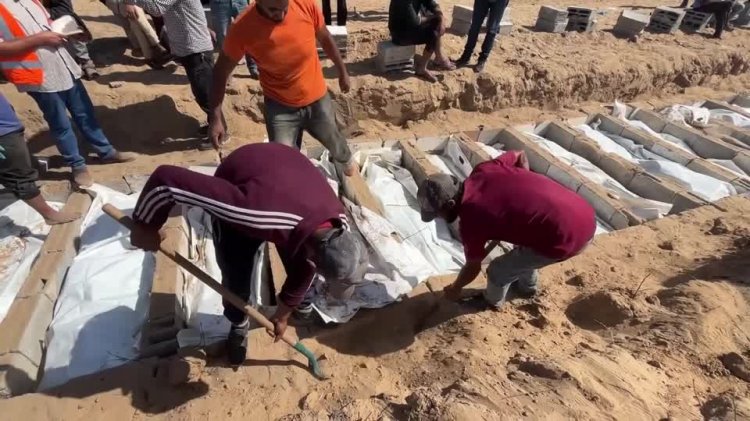
Fifty-four unidentified Palestinian bodies handed over by Israeli authorities were buried in Gaza after arriving in several batches via the ICRC and being processed at Nasser Hospital in Khan Younis. Israeli officials said the remains belonged to militants killed either during the October 7 attacks or in subsequent clashes; Gaza health and government spokespeople said the bodies had not been identified and many were unrecognisable.
Medical staff reported extensive mutilation and signs of severe mistreatment on numerous remains: blindfolds, bound hands and feet, gunshot wounds to the head, deep burns and crushed limbs. Gaza officials characterized the injuries as consistent with summary executions or torture and called for investigations into potential violations of international humanitarian law. Israeli representatives rejected those allegations, saying Israel adheres to international law and dismissing claims of abuse as attempts to demonize the country.
The transfers were conducted without names or identifying documents: each body carried only a numbered tag, forcing grieving families to search for loved ones using anonymized photographs and small distinguishing marks—scars, moles, dental patterns, jewelry or fragments of clothing. Gaza’s forensic capacity is severely limited after prolonged conflict and blockade; hospitals lack functional DNA labs and advanced identification tools, leaving many families unable to obtain positive confirmation. Authorities say only a handful of the returned bodies have been positively identified so far.
The handover formed part of a mediated cease-fire arrangement under which Israel agreed to return Palestinian remains in exchange for the bodies of Israeli hostages. Yet the condition of many remains, the lack of transparency around the transfers and the inability to independently verify allegations of abuse have prompted calls from Gaza officials and observers for independent investigations and clearer procedures. Humanitarian workers warn that the returns, while intended to address families’ need for burial, have instead deepened trauma for relatives confronted by severely damaged corpses and the persistent uncertainty about many missing persons.
The burials highlight broader crises in the enclave: devastated healthcare and forensic infrastructure, widespread destruction of homes and services, and acute psychological and practical hardships for families trying to bury their dead and seek answers.