Labor Day rallies target Trump policies
Activists and Democrats demand stronger worker protections
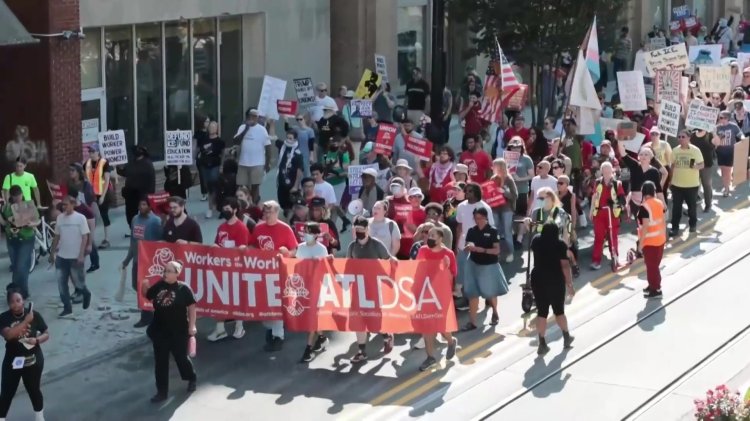
Progressive activists, Democratic officials and ordinary voters across the country staged hundreds of Labor Day protests and rallies opposing the Trump administration and advocating for workers’ rights. Organized by labor groups, local activists and Democratic Party leaders under slogans such as “Workers Over Billionaires,” the gatherings ranged from small roadside demonstrations to larger marches and parades in cities including Chicago, Boston, Atlanta, Los Angeles, Kansas City, Savannah, Fort Myers and Manhattan.
One of the largest events occurred in Chicago, where Mayor Brandon Johnson led several hundred people in chants against plans to deploy National Guard troops to the city and called for investment in local communities. Similar concerns about a military presence motivated suburban participants who worried about “military occupation.” In Boston and other locales, labor leaders and elected Democrats marched with signs demanding fair wages, stronger union protections and expanded healthcare. In Kansas City protesters opposed a Republican-led plan to redraw congressional districts seen as an effort to flip a Democratic-held seat.
Organizers said the demonstrations—part of a sustained sequence of actions including earlier May Day and summer protests—aimed to maintain pressure on the administration over issues such as mass deportations, cuts to government programs, efforts to weaken unions and corporate influence on policy. In Georgia, more than 900 nationwide rallies were reported as part of coordinated actions; Atlanta’s turnout was noted for its strong labor and civil-rights activism roots.
Many local Democratic organizers cast the protests as both a show of resistance and a recruitment tool, seeking to convert protest energy into volunteer work and voter outreach. Participants voiced fears that labor protections are being eroded and urged continued activism to defend workers’ rights and push for policy changes prioritizing employees over corporate interests. The nationwide mobilization underscored growing frustration among progressive constituencies and a concerted effort to link Labor Day observances with sustained political organizing.