Le Pen and Bardella tout joint ticket
French far-right National Rally leaders push unity as court ruling looms
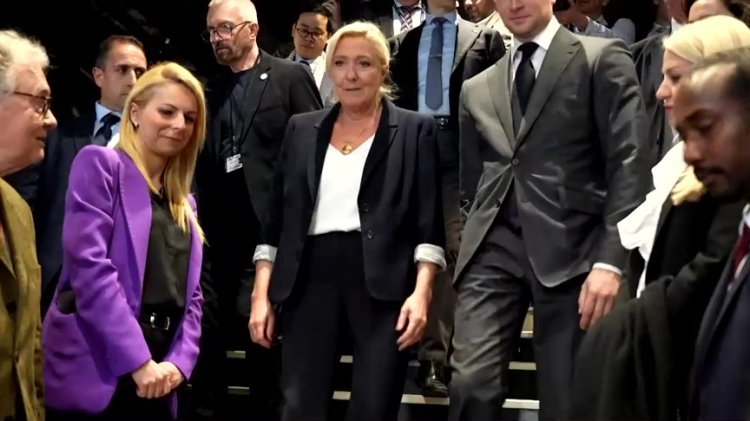
French far-right National Rally (RN) leader Marine Le Pen and party president Jordan Bardella visited the International Agricultural Show in Paris, reiterating plans to run a joint ticket for the 2027 presidential and legislative contests and outlining their respective ambitions for the presidency and prime ministership. Bardella said they are “working hand in hand” to secure both offices, with Le Pen presented as the presidential candidate and Bardella positioning himself to lead the government if their coalition wins.
At the event, Le Pen addressed recent political violence, commenting on the death of far-right activist Quentin Deranque during clashes in Lyon. She urged other parties to form a “common front” against the hard-left movement La France Insoumise (LFI), framing the call as a defensive move against what she described as LFI’s radical economic and social policies. One of seven people under formal investigation in connection with Deranque’s death is an aide to an LFI lawmaker, a fact Le Pen leveraged in pressing for broader right-leaning unity.
The visit comes as Le Pen faces a potential legal barrier to her candidacy: prosecutors at her appeals trial over alleged embezzlement of EU funds have requested a five-year ban from holding public office. The Paris appeals court is set to rule in July, a decision that could directly affect her eligibility to stand in 2027.
RN leaders emphasized themes central to their platform—national sovereignty, stricter immigration controls and economic protectionism—while casting their unity drive as necessary to counter the perceived growth of the hard left in parliamentary debate and street activism. Analysts note that calls for a unified right have historically struggled with internal policy disagreements and leadership rivalries, and that tactical alliances remain a key feature of France’s two-round electoral system.
Le Pen’s call for a coordinated right-wing response is likely to intensify debate over alliances and electoral strategy in the months ahead, as parties assess whether consolidation can overcome internal divisions and counter gains by left-wing forces. Critics warn the rhetoric risks further polarizing an already fragmented political landscape, while RN supporters argue unity is essential to prevent leftist influence over economic and social policy.