Mexico tests World Cup drone shield
Defense shows counter-drone tech for 2026 games
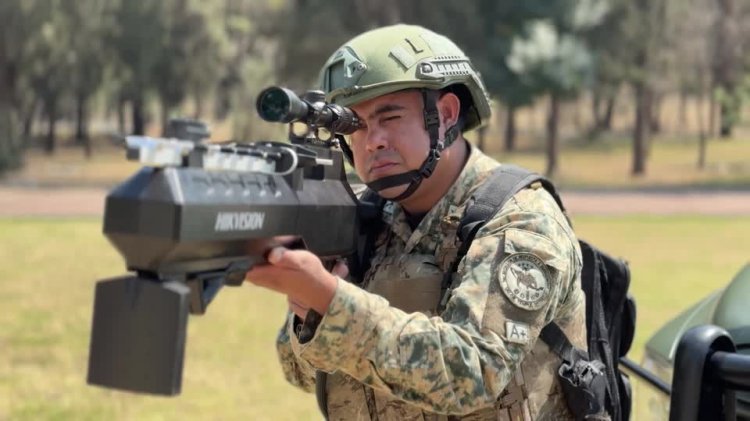
Mexico's Defense Ministry demonstrated counter‑drone systems planned for deployment around stadiums and fan zones during the 2026 FIFA World Cup, showing radio‑frequency jammers, detection radar and handheld anti‑drone devices at a military facility in Mexico City. Authorities said the layered capability will detect, track and neutralize unauthorized drones in restricted airspace during matches and official events, with operators monitoring in real time and accredited drones for media or security allowed within defined zones.
The systems are part of broader security preparations for matches to be hosted in Mexico City, Guadalajara and Monterrey, and will be integrated with temporary flight restrictions, surveillance upgrades, expanded police deployments, emergency response drills and stadium safety inspections. Officials stressed the aim is deterrence and prevention—disrupting or forcing safe landings of unauthorised drones—while operating within legal frameworks that govern electronic interference and aviation safety.
Organisers highlighted coordination across federal, state and local agencies and with defence contractors to ensure technical and regulatory compliance. Civil aviation authorities are expected to enforce no‑fly zones on match days; violations could incur equipment confiscation, fines or criminal charges. Authorities also plan to use crowd‑management tools and enhanced intelligence sharing to complement aerial security.
Security planners cited risks ranging from intrusive filming to the possible delivery of hazardous materials, though no specific threats were disclosed. Experts note anti‑drone measures have become common at major events as consumer drones grow more accessible. Public reaction was mixed: some welcomed the enhanced protections for large international gatherings, while others raised concerns about privacy and potential overreach. Officials said measures are tailored to event security and will comply with national law.
As preparations intensify, the deployment reflects evolving threat assessments and the high priority placed on keeping the tournament safe so attention can remain on the matches.