

New Zealand’s court rejects Christchurch killer appeal
Judges uphold life sentence and guilty pleas
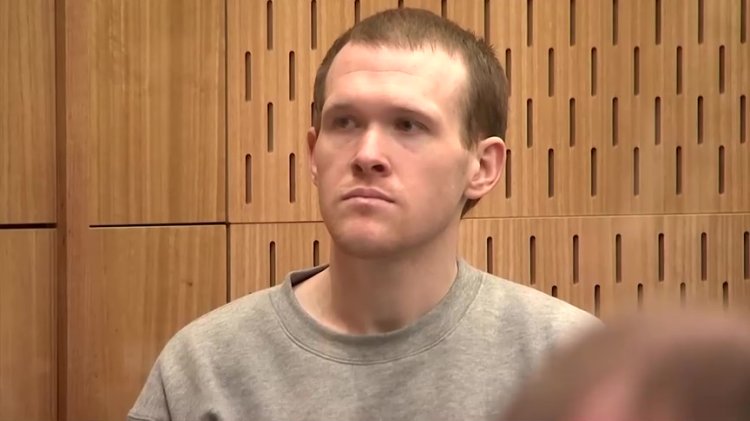
New Zealand’s Court of Appeal has dismissed Brenton Tarrant’s attempt to overturn his guilty pleas for the 2019 mass shootings at two Christchurch mosques, calling the appeal “utterly devoid of merit.” Tarrant, an Australian national who entered guilty pleas in March 2020 to 51 counts of murder, 40 counts of attempted murder and one charge of committing a terrorist act, remains serving life imprisonment without parole following his August 2020 sentence.
The court found Tarrant’s November 2022 appeal was filed 505 working days late and rejected his lawyers’ claim that adverse prison conditions and impaired mental state rendered his pleas involuntary. Judges said his account was inconsistent and contradicted by prison records, mental health assessments and evidence from his former trial lawyers. They concluded he was not suffering mental incapacity at the time of the pleas and had not been coerced or pressured into pleading guilty.
Although Tarrant later sought to abandon the appeal after a February hearing, the court declined to allow withdrawal because of the strong public interest in resolving the matter. With the dismissal, this legal route to challenge his convictions is closed and the original judgments stand.
The 2019 attacks, which killed 51 people and injured dozens during Friday prayers, remain New Zealand’s deadliest peacetime atrocity and prompted rapid changes to the country’s firearms laws. The case has left a lasting imprint on national debate over extremism, social cohesion and online radicalization, and it continues to shape responses by authorities and civil society.
Victims’ families and community groups have called for ongoing support, remembrance and vigilance against hate-fueled violence. The Court of Appeal’s ruling underlines the finality of the criminal proceedings in a tragedy that reshaped New Zealand’s legal, political and social landscape and reaffirmed the state’s commitment to holding perpetrators of mass atrocity accountable.