Scientists map 85 new Antarctic subglacial lakes
Findings show dynamic water networks shaping ice flow and sea level rise
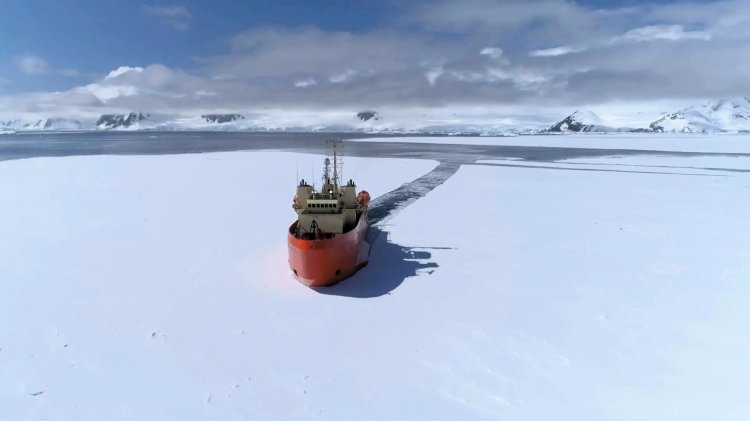
Scientists announced the identification of 85 additional active subglacial lakes beneath Antarctica using a decade of satellite observations, raising the known total of active lakes to 231. The newly mapped features were detected by analysing CryoSat‑2 radar‑altimeter data from 2010–2020, which revealed subtle rises and falls in ice-surface height consistent with underlying lakes filling and draining. Researchers recorded 12 new complete fill–drain cycles—bringing the global tally of fully observed cycles to 48—identified 25 clustered lake groupings and discovered five previously unknown networks of interconnected subglacial lakes that show coordinated drain-and-refill behaviour.
Active subglacial lakes periodically release meltwater that can travel long distances beneath the ice, transiently lubricating glacier beds and accelerating ice flow toward the ocean. That dynamic hydrology can affect glacier stability and therefore influences projections of the Antarctic Ice Sheet’s contribution to future sea level rise. The new dataset provides locations, extents and time series of change that can be incorporated into numerical ice-sheet models; current models largely omit detailed subglacial hydrology, a gap the authors say these observations help address.
Mechanisms maintaining these lakes include geothermal heat and frictional melting where ice moves over bedrock. Some lakes remain stable for long periods (Lake Vostok is a notable example), but the active ones mapped in this study change size and shape over months to years, underlining how much more dynamic Antarctic subglacial systems are than previously assumed. The identification of linked lake networks suggests coordinated water routing that could produce regionally significant effects on ice motion.
Beyond impacts on ice dynamics and sea level projections, isolated subglacial reservoirs are of biological and scientific interest: they may host unique, long‑isolated microbial ecosystems and serve as terrestrial analogues for icy ocean worlds such as Europa and Enceladus. Study authors and ESA scientists called for continued satellite monitoring and integration of these new observations into models to improve forecasts of ice-sheet response to climate change and to better assess risks to global sea levels.