UN backs Trump plan for Gaza transition
Council endorses a U.S. blueprint creating a new Gaza force
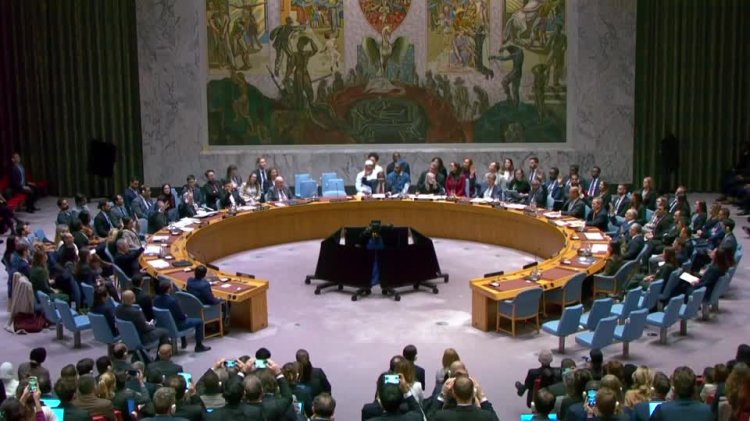
The U.N. Security Council adopted a U.S.-drafted resolution endorsing former President Donald Trump’s 20-point plan for ending the Gaza war and authorizing an international stabilization force and transitional governance arrangements for the Palestinian enclave. The measure passed with 14 votes in favor and abstentions from Russia and China, who argued the text fails to define a clear U.N. role and cedes excessive control to a U.S.-led mechanism.
The resolution incorporates Trump’s plan as an annex and legitimizes a Trump-chaired “Board of Peace” envisioned to supervise reconstruction, economic recovery and a political transition in Gaza. It also authorizes an international stabilization force (ISF) charged with demilitarizing the territory—decommissioning weapons and dismantling military infrastructure—and secures an initial deployment period intended to facilitate a phased withdrawal of Israeli forces and implementation of a ceasefire and hostage-release arrangements already agreed in a prior first phase between Israel and Hamas.
The Palestinian Authority welcomed the vote and signalled readiness to participate, a diplomatic endorsement that diplomats said helped avert a Russian veto. Hamas rejected the framework, insisting it will not disarm and calling the proposal foreign “guardianship,” setting up a potential confrontation between the militant group and any deployed international force. U.S. Ambassador to the U.N. Mike Waltz framed the resolution as a pathway toward Palestinian self-determination contingent on reconstruction and reforms; President Trump celebrated the adoption and indicated further announcements on board membership would follow.
Observers note the resolution’s passage is a significant diplomatic step, providing legal and institutional backing for a major shift in Gaza’s governance and security. Key uncertainties remain, however: whether countries will contribute troops to the ISF, whether Israel and Hamas will fully comply with commitments, how the Board of Peace will operate in practice, and whether reconstruction and governance reforms can proceed amid ongoing tensions. Russia and China cautioned the council that insufficiently specified modalities risk leaving the U.N. sidelined, while proponents argue the authorization is necessary to mobilize international resources and lend legitimacy to the transition process.