UN warns Sudan exodus risk rises
The agency says RSF advances could trigger major new displacement
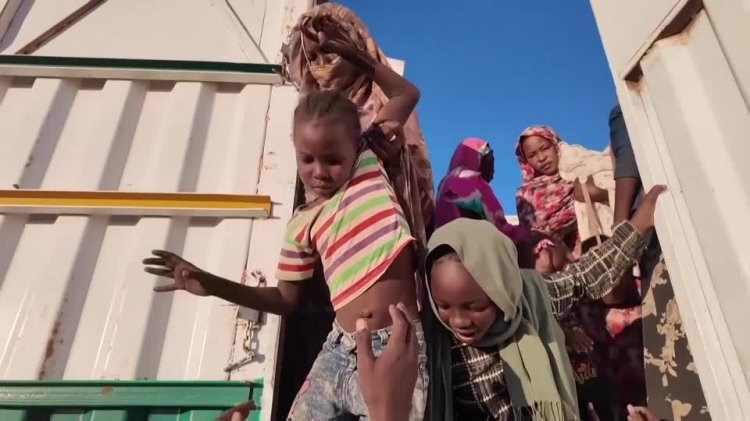
The United Nations warned that recent advances by Sudan’s paramilitary Rapid Support Forces risk triggering a new refugee exodus across borders as fighting spreads. UNHCR chief Filippo Grandi, after visiting a camp for displaced people, said humanitarian groups are “barely responding” and facing severe resource shortfalls. He described continuous arrivals at a site sheltering about 11,000–12,000 people and warned that further urban fighting—if cities like El Obeid were engulfed—would produce much larger waves of displacement.
The RSF’s capture of al-Fashir and continued eastward push into Kordofan have already displaced thousands. The UN estimates roughly 40,000 people were displaced by the latest violence in that region, most remaining inside Sudan, but the agency cautioned that cross-border flows to neighboring countries would surge if violence expands. The broader conflict has uprooted nearly 12 million people, including some 4.3 million who have fled to Chad, South Sudan and other countries, making it one of the world’s largest displacement crises.
Accounts from camps and transit sites paint a grim picture: predominantly women and children arriving after treks of hundreds of kilometers, many having lost male relatives to killing or forced recruitment. Some mothers reported disguising sons as girls to prevent abduction. Reported abuses include rape, murder, forced child recruitment, family separations and widespread looting. Aid workers describe families walking for days without food or water toward already overstretched border camps where malnutrition and disease are persistent threats.
Humanitarian operations are hampered by funding shortfalls—Grandi said Western donor cutbacks have left Sudan response plans a third funded—and by shifting front lines that threaten to sever key aid corridors. UNHCR warned that cutoffs would make delivery of food, medical supplies and shelter impossible to many areas at risk of famine. Neighboring states, many strained economically and politically, cannot absorb large new influxes without urgent international support.
The agency urged all parties to protect civilians, permit safe passage for those fleeing and guarantee unhindered access for relief workers. Diplomatic efforts for ceasefires have failed to halt the expansion of fighting, and analysts warn the humanitarian fallout could eclipse earlier displacement waves if hostilities continue. The UN called for immediate action to avert what could become one of the largest refugee exoduses in decades absent a political breakthrough and an end to violence against civilians.