

Syria marks first year after Assad fall
Cities hold parades as new authorities balance celebration with calls for reconstruction

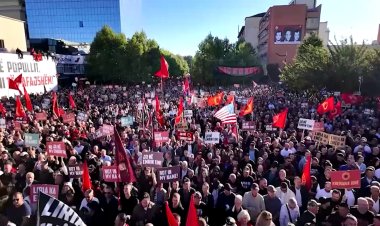
Military parades and public celebrations were held across Syrian cities to mark the first anniversary of Bashar al-Assad’s fall, as crowds gathered in Damascus, Aleppo, Latakia, Idlib and other towns to watch fighters, civil defence units and local security forces march through major avenues. Transitional authorities used the events to project unity and legitimacy: armored and repurposed vehicles rolled past spectators, military bands performed, and officials delivered speeches calling for discipline, cooperation and national reconstruction after more than a decade of conflict.
President Ahmed al-Sharaa, whose forces seized Damascus in a rapid offensive that ended Assad’s 13-year rule, celebrated what he described as a dramatic shift in international and domestic perceptions of Syria—from pity to pride—and outlined a vision for a “new Syria” moving beyond a “dark chapter.” Organizers emphasized rebuilding state institutions, restoring services and coordinating reconstruction planning even as they warned of ongoing political and security challenges.
Public reactions were mixed. In Aleppo and other cities still bearing battle damage, residents watched subdued parades that combined revolutionary symbols with new national emblems, while in Idlib large, festive gatherings featured music, dances and speeches remembering those lost during the uprising. The blackened façades and ruined streets that remain in parts of the country lent a somber note to celebrations; many attendees carried photographs of family members killed in the war and urged attention to persistent humanitarian needs.
Authorities aimed to balance displays of force with community-focused elements: civil brigades, youth groups, emergency responders and volunteers were prominent in several events, and officials reiterated calls for reconciliation and orderly governance. Humanitarian organizations used the anniversary to highlight continuing displacement, poverty and limited access to health, water and education, warning that millions still require assistance even as public life returns to parts of the country.
Security analysts and residents pointed to risks from fragmented post-Assad governance, the presence of rival armed groups and slow-moving political negotiations, noting that parades served both as celebration and as messaging to consolidate authority. Nighttime fireworks and public festivities underscored popular relief in some quarters, but commentators stressed that the transition’s durability depends on disarming rival militias, restoring services, ensuring political inclusivity and sustaining economic recovery.