Philippines declares energy emergency
Government cites supply risks and rising oil prices
The Philippine government has declared a national energy emergency amid mounting concerns over disruptions to global fuel supplies stemming from the Middle East conflict. The president cited the situation as posing an “imminent danger” to the country’s energy supply and issued an executive order establishing a committee to oversee the movement, supply, distribution and availability of fuel, food, medicines, agricultural products and other essential goods. Authorities pointed to heightened uncertainty in global energy markets, severe supply-chain disruptions and significant volatility and upward pressure on international oil prices as the basis for the declaration.
Officials warned the Philippines’ heavy reliance on Middle Eastern crude leaves it vulnerable to shocks from the region. The Department of Energy said contingency measures are being activated, including closer monitoring of supply chains, coordination with fuel suppliers and the possible release of strategic reserves if required. Power producers and distribution companies have been instructed to prepare backup plans to maintain electricity generation and to ensure stable operations.
The government also ordered steps to stabilize domestic markets and protect consumers, directing agencies to consider conservation measures, promote efficient energy use and evaluate temporary policy tools—such as subsidies or price controls—to mitigate sudden price spikes. Authorities reassured the public that short-term fuel stocks remain adequate but stressed readiness in case the crisis deepens.
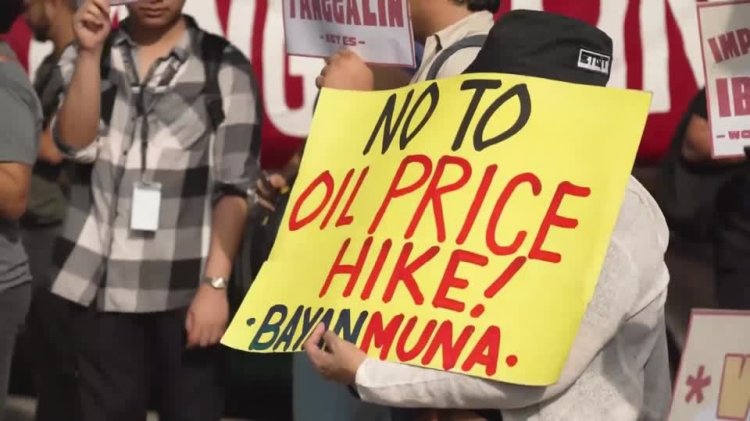
The declaration precedes planned two‑day strikes by transport workers, commuters and consumer groups protesting recent fuel price increases and what organizers call the administration’s inadequate response. Analysts say the emergency reflects broader vulnerability of import-dependent economies to geopolitical tensions that drive oil-market volatility. Officials said they are coordinating with regional partners and international organizations on measures to preserve energy stability and pursuing diplomatic efforts aimed at de-escalation in the Middle East.
The government emphasized that the emergency grants it broader authority to intervene in the energy sector, but said actions will be calibrated according to developments in global markets to avoid abrupt disruptions while protecting supply and consumer welfare.