Filipinos stage mass protests over graft scandal
Protesters demand accountability after audits exposed alleged corruption in flood-control projects
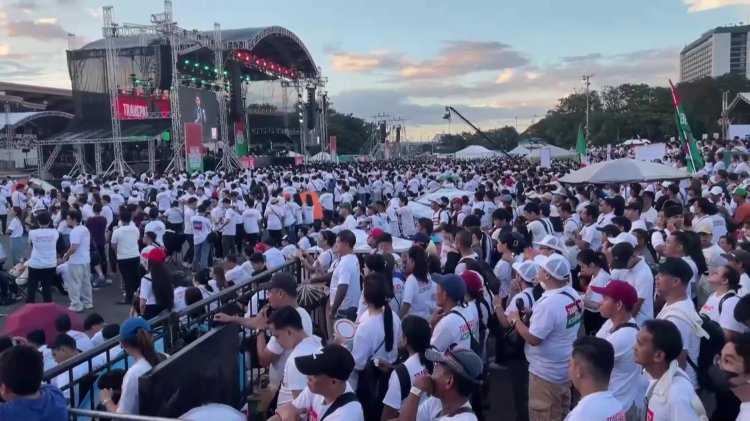
Hundreds of thousands of Filipinos staged a second consecutive day of mass demonstrations in Manila, pressing for accountability after audits revealed widespread alleged graft in flood-control projects. Mobilised in large part by the influential Iglesia ni Cristo and joined by civic groups and ordinary citizens, protesters filled major routes around Rizal Park, EDSA and the People Power Monument, carrying placards and demanding transparency, prosecutions and structural reforms. They accused officials of diverting billions of pesos meant to protect communities from seasonal floods, citing fake contracts, padded costs and incomplete or non-existent works exposed by government audits and Senate hearings.
The alleged corruption has compounded public anger after recent storms laid bare weaknesses in drainage and flood defenses that were supposed to have been upgraded. Witness testimony from government engineers, public works officials and construction executives during inquiries has implicated members of Congress and senior officials in taking kickbacks to secure lucrative contracts, though many accused parties deny wrongdoing. Protest organisers warned of further nationwide actions unless the government produces swift arrests and transparent trials, framing the rallies as a broader demand for better governance and institutional oversight.
President Ferdinand Marcos Jr. acknowledged the crisis, saying those involved will be prosecuted and announcing a special investigative commission; his office says criminal complaints have been filed against dozens of suspects and several construction executives and officials for tax evasion. Marcos vowed visible progress before year’s end and predicted powerful figures would face jail, but organisers say promises are insufficient without immediate, tangible action.
Security forces, including police and military personnel, maintained order as large crowds demonstrated; authorities reported only minor disturbances. The government placed the presidential palace on heightened security, with roads barricaded and directives for law enforcement to exercise restraint. Analysts view the sustained scale of the protests as an indicator of widespread public discontent that extends beyond the flood-control scandal to concerns over inequality and governance. Organisers say the movement could become one of the country’s most significant public mobilisations in years if demands are not met.