Gaza aid resumes after hostage body dispute
Israel reopens Rafah crossing as fragile truce holds but humanitarian needs remain severe
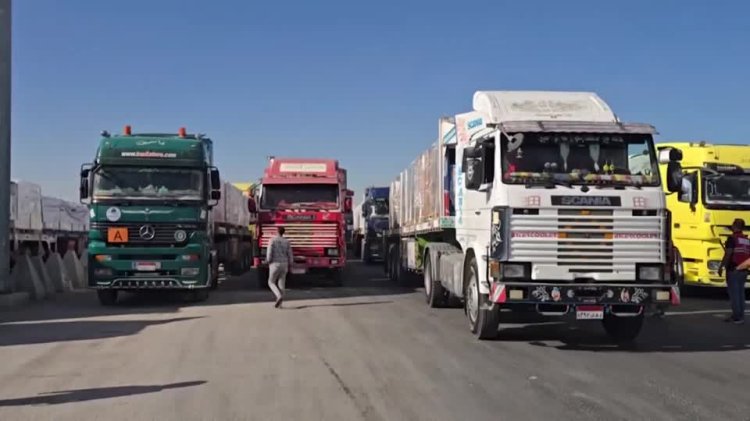
Trucks carrying food, fuel, medical supplies and repair equipment entered Gaza after a temporary halt in a dispute over the return of hostage bodies eased pressure on a fragile ceasefire. Israeli authorities prepared to open the Rafah crossing with Egypt and permit a previously agreed convoy—about 600 trucks—to deliver aid, while other crossings also allowed shipments into the Strip.
The move followed renewed handovers by Hamas after Israeli threats to close Rafah and reduce supplies over delays in returning remains. Israeli officials said one returned item did not match known hostages; Palestinian health authorities said a first group of 45 Palestinian bodies had been handed over for identification under the truce. Under the agreement, Israel is to return the remains of some 360 Palestinians, while about 21 Israeli bodies reportedly remain in Gaza and may be hard to recover because of extensive destruction.
Humanitarian needs across Gaza remain desperate. Displaced families returning to damaged homes found little shelter, few basic supplies and no jobs. One resident described lacking blankets, food and housing as winter approaches, highlighting the scale of civilian hardship even as aid convoys move in.
The dispute over bodies underscored the truce’s fragility and the many unresolved terms of the US-brokered deal. Later phases call for Hamas to disarm and cede control—conditions Hamas has so far refused—and envisage governance arrangements and the possible deployment of an international stabilization force. Hamas’s armed wing said it had handed over all the bodies it could currently recover and warned that locating further remains would require heavy equipment and large-scale search efforts amid rubble.
International intermediaries, including the Red Cross, continued to coordinate transfers and verify deliveries. Diplomats and mediators warned that any renewed standoff over returns, security arrangements or other outstanding commitments could quickly undermine the ceasefire. Humanitarian organisations urged the establishment of a sustained, predictable aid corridor, saying intermittent openings and political disputes cannot meet the scale of need created by years of conflict.
As aid deliveries resumed, officials and aid agencies stressed the need to scale up assistance rapidly, protect relief routes, and accelerate efforts to clear and repair infrastructure so essential services can reach civilians. The situation remains tense: the temporary easing has allowed essential supplies in, but the broader political and security impasses that threaten a return to full hostilities are unresolved.