

Peru seizes record mercury shipment

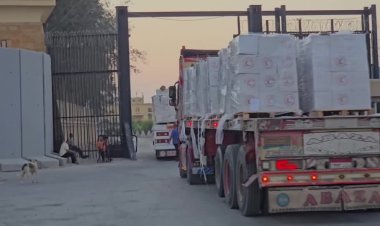
Peruvian customs officials announced the interception of roughly four metric tons of mercury concealed within a shipment labeled as crushed rock and destined for Bolivia, where it was presumed to supply illegal gold mining operations in the Amazon. The cargo, discovered during X-ray inspections and confirmed by laboratory analysis, represents the largest mercury seizure ever recorded in the South American rainforest region, surpassing by twofold a bust of about two tons documented a decade ago.
Mercury, subject to stringent environmental controls under the Minamata Convention, is integral to artisanal gold mining. Miners mix it with sediment to create gold amalgams, then burn off the metal, releasing toxic vapors and dispersing methylmercury through waterways. Long-term contamination has been detected in fish, drinking water and human tissues—especially around Madre de Dios and Loreto—posing severe health risks to Amazonian communities.
The intercepted shipment originated from Mexico and was offloaded at Peru’s main Pacific gateway before being mislabeled for export. U.S. experts assisted Peru’s National Superintendence of Customs and Tax Administration (SUNAT) in verifying the cargo’s hazardous content. Authorities estimate the four tons could have produced up to 1,600 kilograms of illicit gold—equivalent to more than $172 million at current black-market prices.
This bust comes amid a global surge in gold valuations—approaching record highs as investors seek safe havens—fueling demand for mercury on the black market. Analysts warn that transnational criminal networks, including groups linked to Mexico’s Jalisco New Generation Cartel, are exploiting loopholes in international trade and enforcement protocols. These syndicates disguise toxic shipments in gravel or other innocuous materials, then move them through ports to illegal mining sites deep in rainforests.