West Bank olive harvest hit by settler attacks
Palestinians face rising violence and losses amid military restrictions
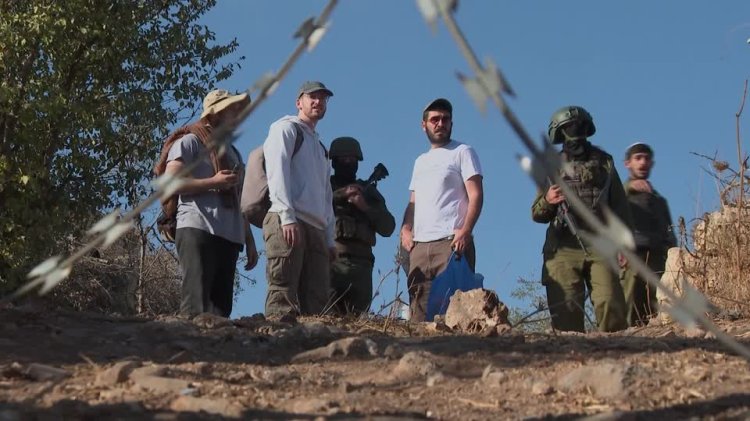
Palestinians and volunteers in the West Bank have begun the annual olive harvest under escalating threats from Israeli settlers and military restrictions, turning a vital cultural and economic season into one marked by violence and loss. Palestinian authorities and U.N. officials say at least 158 settler attacks have been recorded since the harvest started in early October, a 13% increase compared with the same period last year. Reports describe burned groves, chainsawed trees, destroyed agricultural infrastructure and attacks on harvesters, with more than 15,000 trees reported damaged since October 2024.
The olive harvest is central to Palestinian rural life and the local economy: olive production supports roughly 60,000 jobs and contributes about 8% of West Bank GDP. The Palestinian agriculture ministry recorded a 17% rise in financial losses for farmers from the start of 2025 through mid‑October versus the prior year, and communities warn that lost crops mean reduced income, diminished food security and greater vulnerability to displacement.
Eyewitness accounts and video have documented physical assaults by masked settlers on farmers and volunteers, vehicle burnings and sabotage of electric fences and harvest camps. In one incident reported from Turmus Ayya, a 55‑year‑old woman was knocked down and injured while picking olives. Activists and Palestinian officials say settler violence has intensified since the Hamas‑led attacks two years ago, pointing out that olive trees are targeted as symbols of Palestinian ties to the land.
U.N. human rights officials described this season as particularly severe, noting arson, tree‑felling and damage to homes and farms. Palestinians and some Israeli human rights groups accuse the Israeli military of enabling settler attacks; activists say military orders frequently close fields for “security reasons,” blocking access for harvesters and volunteers. The Israeli military stated it is operating to enable the harvest “to proceed in a proper and safe manner for all residents,” but did not address specific allegations of complicity.
Volunteers, including Israeli activists, continue to accompany farmers to groves in attempts to deter attacks, yet they often face obstacles from army units restricting access. The combination of settler aggression, settlement expansion and movement restrictions in occupied areas has fragmented farmland and complicated harvest logistics across the West Bank.
Despite the risks, many Palestinians insist on returning to their groves, framing the harvest as both an economic necessity and an act of cultural resilience amid mounting pressures on land, livelihoods and security.