Guatemala marks Holy Week traditions
Processions fill Antigua with faith and art
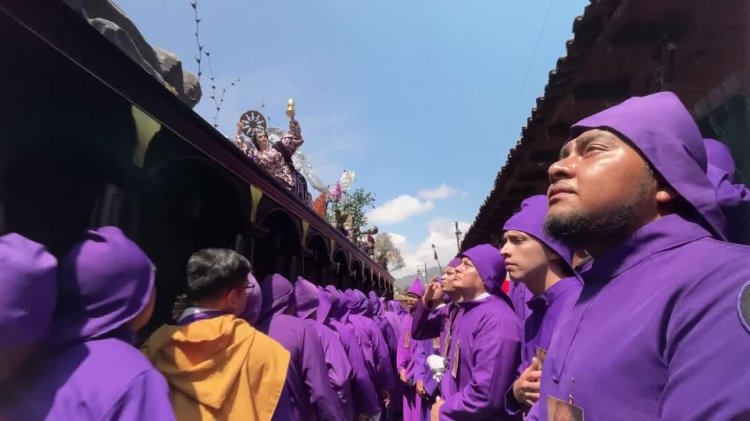
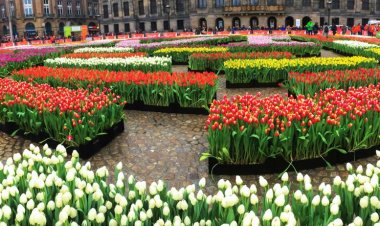
Dressed in purple cloaks, members of religious brotherhoods known as cucuruchos processed through the cobblestone streets of Antigua Guatemala, carrying large floats bearing statues of Jesus and the Virgin Mary as part of centuries-old Holy Week observances. Participants and onlookers passed over intricate alfombras—ephemeral carpets made from colored sawdust, flowers and other natural materials—laid out in detailed religious patterns that transform the historic city into a vivid display of devotion and artistry.
Longtime participant Ricardo Valdez, who has marched for more than 20 years, described the procession as a matter of heritage, noting that involvement often runs in families. The practice traces back to 1543 when Spanish missionaries introduced the tradition to the region; Antigua’s weeklong rites have since become internationally renowned and are believed to include the world’s largest Easter procession, drawing visitors from across the globe.
Processions moved slowly beneath the scent of incense and the strains of solemn music, with participants in traditional robes performing acts of penance and reflection. Local authorities coordinated crowd management and preservation efforts to protect the colonial architecture and the delicate alfombras, while officials highlighted the event’s cultural significance and its role in the tourism calendar.
Religious leaders and community members framed the observances as both a spiritual duty and a collective expression of identity, blending deep-rooted Catholic ritual with broad civic participation. The day’s ceremonies underscored Antigua’s reputation for spectacular, emotionally charged Holy Week traditions, where art, faith and heritage converge in public ritual.