Islamic State detainees escape Syria prison
Breakout highlights security risks at detention facilities
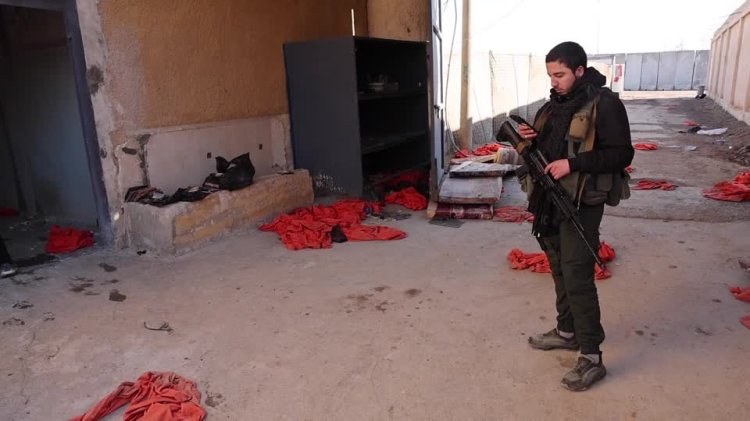
About 200 low-level Islamic State detainees escaped from Shaddadi prison in northeastern Syria after guards from the Kurdish-led Syrian Democratic Forces abandoned the facility, a U.S. official said. Syrian government forces subsequently recaptured many of the escapees, the official added, and roughly 600 foreign IS fighters had been transferred from Shaddadi to other detention sites before the breakout and remain in custody.
The incident sparked a blame dispute between Damascus and the SDF, with each side accusing the other of responsibility for the security lapse. Syrian authorities say they now control the Shaddadi prison; the SDF offered no immediate comment. The escape came amid lingering tensions following a recent ceasefire deal between the two parties.
The breakout highlights long-standing concerns about the vulnerability of detention facilities holding Islamic State suspects across northeastern Syria. Overcrowding, limited resources and fragmented security arrangements have left many prisons exposed to internal disorder, attacks and management failures. U.S. and allied officials have repeatedly warned that such weaknesses increase the risk of escapes that could enable militants to regroup, carry out attacks or attempt to cross borders.
Local partners, working with international backers, moved quickly to locate and detain those who fled, officials said, and measures were being taken to reinforce security at remaining sites. Analysts note that prison breaks have historically been an effective tactic for Islamic State to replenish personnel and sustain insurgent activity even after losing territorial control.
The episode underscores gaps in long-term solutions for the detention, prosecution and repatriation of foreign and local fighters. Many countries remain reluctant or slow to accept repatriations, while international cooperation on judicial processing and secure custody has lagged. Authorities and experts warn that without sustained, coordinated international support and clearer legal pathways, detention vulnerabilities are likely to persist, prolonging a security challenge for Syria and neighbouring states.