Winds rekindle wildfire near Cape Town
Franschhoek blaze spreads across slopes and threatens farms
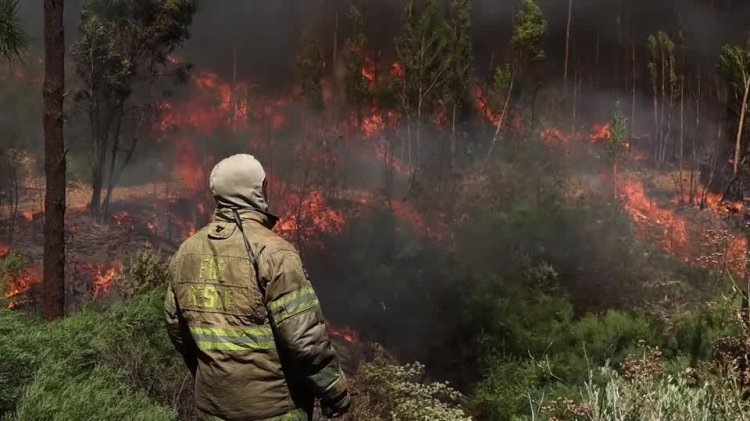
Strong winds rekindled wildfires in Franschhoek, east of Cape Town, pushing flames across dry vegetation and forcing firefighters to battle shifting blazes on steep mountain slopes. Thick smoke turned the sky grey and reduced visibility, complicating containment as crews worked to prevent the fire from spreading into orchards and vineyards that are vital to the local agricultural economy.
Fire protection officials described the incident as a complex mountain fire that moved into farmlands, presenting varied terrain and operational challenges. Crews used ground units, helicopters and water-bombing aircraft at times, reinforcing firebreaks, extinguishing hotspots and monitoring previously burned areas where embers can trigger new flare-ups. Dozens of firefighting teams, supported by volunteers and disaster-management personnel, rotated in shifts to keep pressure on the fire lines; no injuries were reported.
Authorities expressed concern about agricultural losses after repeated outbreaks across the Western Cape in recent weeks have stretched provincial response capacity. The renewed activity disrupted daily life in affected communities: some roads were closed, outdoor activities restricted, and schools and facilities near the fire zone were advised to limit exposure to smoke. Residents were urged to keep windows closed, follow official updates and be prepared to evacuate if conditions worsen; contingency plans and shelters remained on standby.
Environmental experts warned of possible long-term impacts on sensitive ecosystems if the blaze spreads further. They noted that hot, dry and windy conditions—exacerbated by climate change, prolonged drought and rising temperatures—are increasing the frequency and intensity of such fires, making containment more difficult. Investigations into the fire’s origin are ongoing, but officials emphasized that containment and public safety are immediate priorities as emergency services remain on high alert while weather conditions remain volatile.