Ethiopia celebrates GERD completion in Addis
Citizens hail dam as symbol of unity, pride and self-reliance
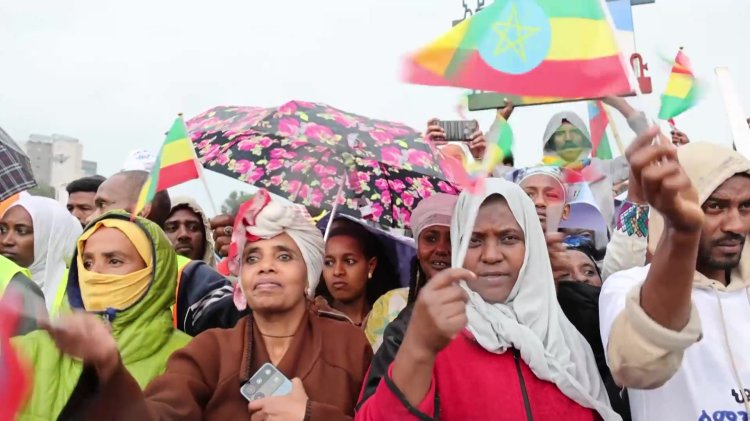
Thousands of Ethiopians packed Meskel Square in Addis Ababa to celebrate the completion of the Grand Ethiopian Renaissance Dam (GERD), Africa’s largest hydroelectric project, in a mass public rally that followed the official inauguration. The gathering combined a military parade with traditional dances, songs and performances from artists across the country; attendees — students, civil servants, elders, farmers and diaspora returnees — waved flags, chanted slogans such as “Together, We Have Overcome,” and framed the dam as a symbol of national pride, unity and self-reliance. Organizers highlighted that the GERD was financed largely through domestic contributions and bond purchases by ordinary citizens after international lenders declined to support the project, producing a strong sense of public ownership. Government officials and local leaders presented the achievement not only as an engineering milestone but as a political statement about Ethiopia’s sovereignty and a deliberate choice to pursue self-directed development rather than rely on external financing. The dam’s completion is portrayed by supporters as proof that collective sacrifice and internal mobilization can deliver transformative infrastructure and reshape national capacity. Beyond symbolism, the GERD is expected to materially strengthen Ethiopia’s energy security and regional role: the country is already exporting electricity to Djibouti, Kenya and Sudan and plans to extend supplies to Tanzania, positioning Ethiopia as an emerging energy hub in East Africa. Attendees and bondholders expressed a determination to replicate the model for future national projects, citing the financing approach as a blueprint for development that keeps control and benefits within the country. Celebrants emphasized that the GERD represents a broader philosophy of African development grounded in self-reliance, arguing the project demonstrates an alternative to debt-dependent models frequently associated with external influence. Voices at the rally described the dam as a monument to resilience and a unifying achievement that honors the sacrifices of millions, while local officials framed it as a lasting symbol of national rebirth. The event underscored Ethiopia’s narrative that ambitious national goals can be achieved through internal solidarity and popular investment, and that the GERD’s completion offers a continental lesson in asserting development sovereignty and fostering integration through homegrown initiatives.