Sudan crisis deepens amid war
Humanitarian conditions worsen as conflict enters fourth year
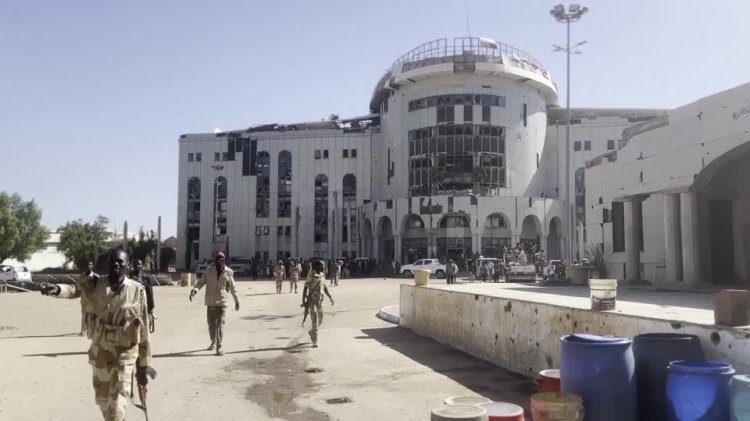
In Sudan, political fragmentation and a deepening humanitarian crisis continue to intensify as the civil war enters its fourth year, with no clear path toward a lasting resolution.
The conflict, driven by fighting between rival military factions, has eroded central authority and left large areas without effective governance, complicating efforts to restore stability or launch a unified political process.
Humanitarian conditions have deteriorated significantly, with millions of people displaced within the country or forced to seek refuge abroad. Access to food, clean water, and medical care remains critically limited, placing vulnerable populations at increasing risk.
Aid organizations warn that the crisis is expanding rapidly, with growing concerns about famine in several regions. Relief operations face major obstacles, including insecurity, damaged infrastructure, and shortages of funding and supplies.
The war has also caused widespread destruction of essential services, including hospitals, schools, and water systems, further worsening living conditions for civilians affected by the conflict.
Repeated international attempts to broker a ceasefire have failed to deliver lasting results, as rival groups remain divided over power-sharing arrangements and the future political structure of the country.
Analysts say the fragmentation of authority across Sudan has made the conflict more complex, with multiple armed factions and local actors pursuing competing agendas that hinder progress toward peace.
As the conflict continues, humanitarian agencies are calling for urgent international action to scale up aid delivery, protect civilians, and renew diplomatic efforts aimed at ending the war and stabilizing the country.