Lake Chilwa refills after drought
Malawi fishers warn climate risks threaten fragile recovery
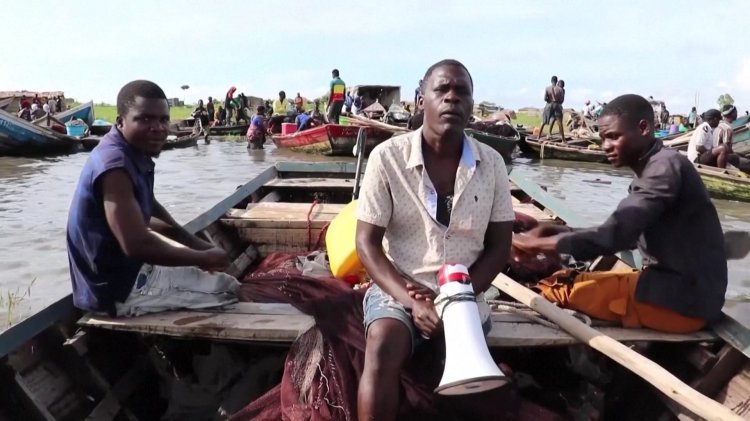
Lake Chilwa in southern Malawi has partially refilled after prolonged droughts left much of its basin dry, but local fishing communities warn that the return of water offers only temporary relief amid mounting climate pressures. The shallow, endorheic lake, vital to thousands of households for fishing and small-scale agriculture, had collapsed during recent dry seasons, exposing mudflats and forcing residents to sell assets or migrate for work. Although recent rains have restored substantial areas and brought canoes and nets back to the water, catches remain small and inconsistent, leaving many fishers and traders unsure when—or if—stable livelihoods will resume.
Residents say the size and quantity of fish are diminished compared with earlier years, and repeated drying episodes have eroded confidence in the lake as a reliable source of food and income. The cycle of drying and refilling also disrupts farming: exposed lakebed is often converted to rice fields during drought, only to be inundated and lost when water returns, creating a fragile push-and-pull between agriculture and fisheries that undermines long-term planning. Community members urge fisheries authorities to enforce regulations to protect remaining stocks, warning that intensive fishing during short recoveries can quickly deplete resources.
Scientists and local academics note that Lake Chilwa’s shallow depth and dependence on rainfall from surrounding highlands make it exceptionally vulnerable to rising temperatures and erratic precipitation linked to climate change. While officials report improved water levels compared with the worst recent seasons, they caution that the lake’s condition hinges on future rainfall patterns and remains highly unpredictable. Many households are still repaying debts taken on during the drought, and recovery of the local economy is expected to be slow; some residents have diversified into rice cultivation or informal trade to reduce dependence on the lake.
Environmental experts recommend sustainable fisheries management, strengthened monitoring, and climate adaptation measures—such as better irrigation and early warning systems—to reduce vulnerability. For now, fishermen continue to set out each morning with hope tempered by anxiety, treating the refill as a reprieve rather than a solution while uncertainty over the lake’s future endures.