Madagascar unrest enters fourth day
Protests spread as UN condemns deadly force by security forces
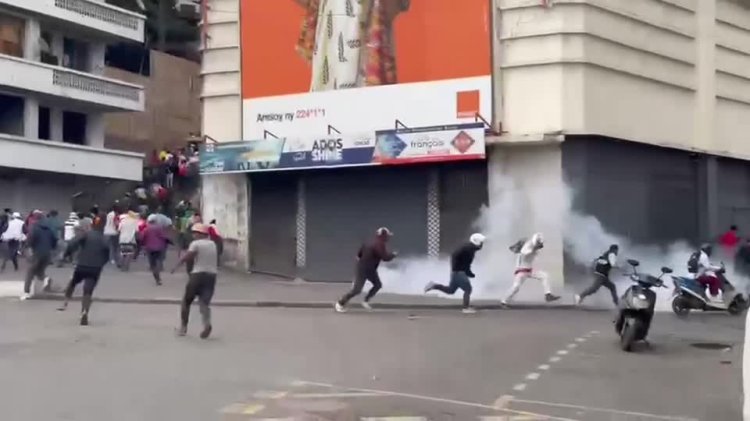
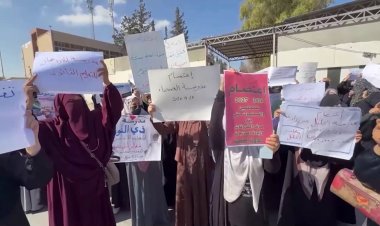
Security forces deployed tear‑gas and rubber bullets in Antananarivo as hundreds of young demonstrators returned to the streets, despite President Andry Rajoelina’s decision to dissolve his cabinet. The protests, now in their fourth day, have spread from the capital to cities such as Fenoarivo, Mahajanga and Diego Suarez, with participants demanding reliable water and electricity, the resignation of the president and further dismissals of officials.
Rajoelina addressed the nation on state television, pledging dialogue, support for businesses and the formation of a new government within three days. He also announced the dismissal of the energy minister and the termination of the prime minister’s functions, appointing interim ministers until a new cabinet is installed. Protest organizers, however, expressed disappointment, calling for a public apology and accusing the president of insufficient action after several demonstrators were killed.
The United Nations’ human‑rights chief, Volker Türk, condemned the “unnecessary and disproportionate” use of force, citing at least 22 deaths and over 100 injuries since the unrest began last week. The UN’s figures include protesters, by‑standers, and victims of subsequent looting and gang violence. Madagascar’s foreign ministry rejected these numbers, labeling them as “rumours or misinformation.”
The demonstrations, inspired by Gen‑Z movements in Kenya and Nepal, represent the largest mobilization in years and the most serious challenge to Rajoelina since his contested third term in December 2023. Earlier protests began peacefully on Thursday, but reports emerged of arson attacks on legislators’ homes and accusations that hired thugs looted buildings to undermine the movement.
In response to escalating clashes and reports of looting, authorities imposed a dusk‑to‑dawn curfew in Antananarivo. Police set up roadblocks, used tear‑gas to disperse crowds, and fired rubber bullets. UN officials called for the immediate release of arbitrarily detained protesters and urged security forces to cease the use of excessive force.
The unrest follows a history of uprisings in Madagascar since independence, notably the 2009 mass protests that ousted former President Marc Ravalomanana and brought Rajoelina to power after a coup. The current crisis underscores persistent grievances over basic services and highlights the growing political influence of the country’s youth.